Flu
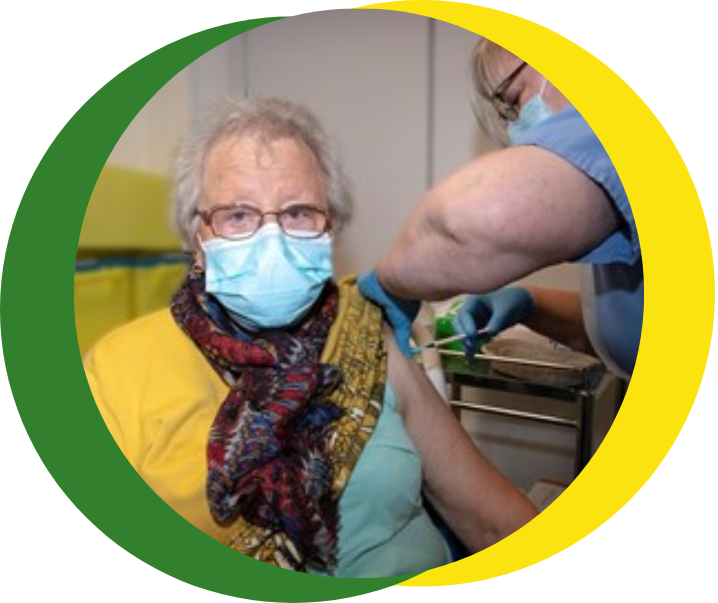
Eligible pregnant women and children across Nottingham and Nottinghamshire are being encouraged to come forward for their free flu vaccination as the NHS launches this year’s seasonal flu programme.
Flu occurs every year, usually in the winter, which is why it’s sometimes called seasonal flu. It is caused by influenza viruses that infect the windpipe and lungs, and because it’s caused by viruses and not bacteria, antibiotics won’t treat it.
The best protection against flu is the flu vaccine. It is safe and effective and it’s offered every year on the NHS to help protect people at risk of flu and its complications.
The best time to have the flu vaccine is in the autumn before flu starts spreading.
Who can have the flu vaccine?
As of September 1 2026, flu vaccinations are available for:
- Pregnant women
- Children aged two or three years on 31 August 2026
- Children aged 4 years who have not started school yet
- School-aged children (Reception to Year 11)
- Children aged 6 months to 17 years with certain long-term health conditions.
The wider flu vaccination programme for other eligible groups will begin from 1 October 2026, helping to protect those most at risk from serious illness during the winter months.
Where to get the flu vaccine?
You can have the NHS flu vaccine at:
- your GP surgery
- a pharmacy offering the service
- some maternity services if you’re pregnant
- Special children’s flu clinics
- Sometimes, you might be offered the flu vaccine at a hospital appointment.
How do you catch flu?
When an infected person coughs or sneezes, they spread the flu virus in tiny droplets of saliva over a wide area. These droplets can then be breathed in by other people or they can be picked up by touching surfaces where the droplets have landed.
You can prevent the spread of the virus by covering your mouth and nose when you cough or sneeze, and you can wash your hands frequently or use hand gels to reduce the risk of picking up the virus.
But the best way to avoid catching and spreading flu is by having the vaccination before the flu season starts.
Flu symptoms:
Flu symptoms come on very quickly and can include:
- a sudden high temperature of 38C or above
- an aching body
- feeling tired or exhausted
- a dry cough
- a sore throat
- a headache
- difficulty sleeping
- loss of appetite
- diarrhoea or tummy pain
- feeling sick and being sick
The symptoms are similar for children, but they can also get pain in their ear and appear less active.
How effective is the flu vaccine?
- The flu vaccine gives the best protection against flu
- Flu vaccines help protect against the main types of flu viruses, although there’s still a chance you might get flu
- If you do get flu after vaccination, it’s likely to be milder and not last as long
- Having the flu vaccine will also stop you spreading flu to other people who may be more at risk of serious problems from flu
- It can take 10 to 14 days for the flu vaccine to work
For more information, visit the NHS website.
How to get the flu vaccine
Frontline health and social care workers can also get a flu vaccine through their employer.
Pregnant women can receive their free NHS flu vaccination through their GP practice, maternity service or a participating community pharmacy.
All children aged two or three years and clinically at risk children aged 4 to 17 can receive their vaccination at their GP practice (from 1 September 2026) or a participating community pharmacy (from 1 October 2026).
Appointments at participating community pharmacies can be booked online Book, change or cancel a flu vaccination appointment – NHS.
School-aged children will be offered the flu vaccine at school by the local school-aged immunisation service. Parents and carers will receive a consent form to complete prior to the Vaccination Team attending the school.
Further information
- GOV.UK: flu vaccination: who should have it this winter and why (including how to request an accessible version)
- GOV.UK: flu vaccination easy read guides