Nottingham and Nottinghamshire ICB
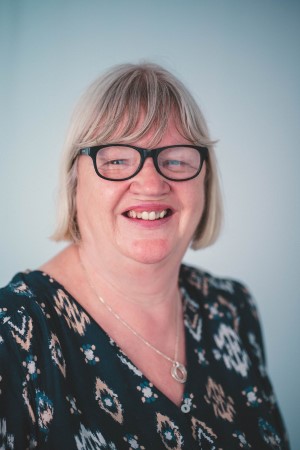
As the Nottinghamshire SEND Partnership Improvement Board comes to the end of its work, I have been reflecting on the last three years – what we have learned, what has changed, and what still matters most.
The Board was established in 2023 following a challenging Ofsted and CQC inspection. It was set up as a time‑limited response to significant concerns, with a clear responsibility: to provide independent challenge and support to the local area partnership, and to keep an unwavering focus on the experiences and outcomes of children and young people with special educational needs and disabilities (SEND).
Three years on, the picture is a very different one.
One of the most important changes I have seen has been the way the partnership between the local authority, health services and wider partners has developed and matured. Over time, relationships have strengthened, governance has improved, and there is now a much clearer shared understanding of responsibility and accountability across the system.
This has enabled the partnership to move beyond structures and processes, and to focus much more clearly on children – who they are, what matters to them, and whether the system is really improving outcomes in their day‑to‑day lives. The improved use of data, alongside lived experience, has been particularly important in helping leaders understand where progress is being made and where further change is still needed.
The establishment of clearer governance arrangements and assurance groups has also created a stronger platform for continued improvement beyond the life of the Board, with the new SEND Executive Leadership Group taking this work forward.
Over the past three years, it has been a real pleasure to visit so many schools across Nottinghamshire. I have spent time in mainstream and special schools, primary, secondary and post‑16 settings, meeting children and young people and listening to staff who are deeply committed to inclusive education.
These visits have brought the system to life. They have helped the Board – and the wider partnership – to understand the pressures schools are facing, but also the creativity, professionalism and determination that exists on the ground. Importantly, schools have become much more actively involved in the improvement journey, helping to shape solutions rather than having change done to them.
This closer working has supported progress in areas such as inclusion, transitions, and the quality of Education, Health and Care (EHC) plans, with recent plans showing improvements in timeliness and quality, even while variability remains.
True improvement in SEND is not possible without parents and carers being at the heart of the system. One of the strongest features of Nottinghamshire’s journey has been the increasingly constructive relationship with the Parent Carer Forum.
The Forum has played a vital role in bringing lived experience into decision‑making – working in a way that is positive and collaborative, but also appropriately challenging when things are not good enough. That balance matters. The growing influence of parent and carer voices has helped the partnership stay focused on real experiences rather than theoretical solutions, and this has been repeatedly recognised as a key strength of the system.
Another area where I have seen meaningful progress is in the willingness to do things differently. Changes to the way the Disabled Children’s Service and wider SEND services operate have begun to make support more responsive to families’ needs, rather than families having to fit rigid systems.
Across the partnership, there has been greater openness to testing new approaches, improving early support, and joining up education, health and care more effectively. While challenges remain – particularly around waiting times for some health services – there is clear evidence of additional support being put in place for children and young people who are waiting, and of joint commissioning approaches beginning to address long‑standing gaps in provision.
Perhaps the most rewarding aspect of this role has been seeing how change in a complex system can be connected back to individual children and families. Case studies shared with the Board have shown how improvements in early support, pathways and joint working can make a real difference to confidence, communication and readiness for education.
Being able to trace that line – from governance and data, through services, to a child’s own experience – is essential. It has helped keep the Board grounded in why this work matters and has given confidence that change is not just happening on paper, but in practice.
As I come to the end of my role as Independent Chair, the improvement journey does not end – and nor should it. SEND improvement is complex and ongoing, and there is still more to do. However, the partnership is in a far stronger position than it was three years ago, with clearer leadership, better information, stronger relationships and a shared commitment to continued improvement.
I leave knowing that the work is in very safe hands. I want to pay tribute to everyone involved – children and young people, parents and carers, professionals across education, health and care, and system leaders – for their honesty, persistence and hard work. It has been a privilege to support Nottinghamshire on this journey, and I look forward to seeing the progress that comes next.